Waipā locals are being encouraged to join a community effort to help tackle the noxious weed woolly nightshade at a drop-off event on Saturday, November 1.
The project, initiated by the Lions Club of Te Awamutu with support from Waipā District Council and local businesses, encourages people to safely remove woolly nightshade from their properties and bring it in for disposal. The free event will be held at the carpark on the corner of Arawata Street and Scout Lane, Te Awamutu, from 11am to 2pm.
As a thank you from the Lions Club, the first 1000 plants dropped off will earn $1 each (up to $20 per person).
Mitre 10 Mega Te Awamutu is supporting the event with prizes for the tallest plant, the thickest trunk and the person who drops off the most plants, while McDonald’s Te Awamutu is providing vouchers for tamariki taking part.
Lions Club of Te Awamutu secretary Alan Taylor said it’s a great opportunity for locals to take action against woolly nightshade in the district.
“Events like this give our community a real opportunity to make a difference and come together to help protect our environment.”
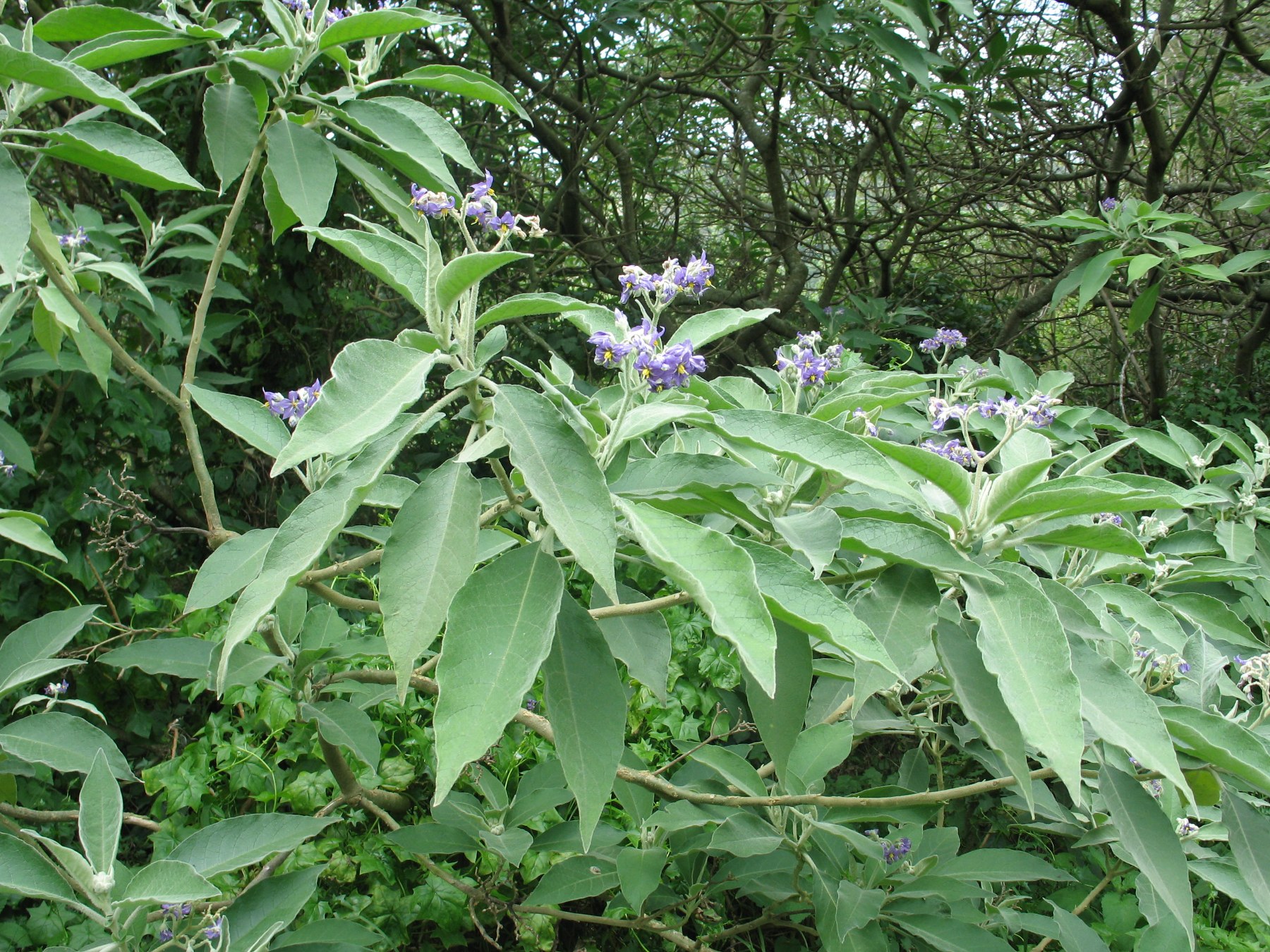
Woolly nightshade is a fast-spreading, highly-invasive weed posing a significant threat to ecosystems. It can cause skin and respiratory irritation and produces poisonous berries that are harmful to livestock and humans.
The plant can be identified by its velvety leaves, yellow-purple flowers and purple berries.
Parks operations team leader Matt Johnston said it’s a great local initiative. “We are proud to be getting behind this. Our parks team will be down there on the day with the Lions Club, helping to carefully handle the plants and destroy them to reduce the spread.”
“We encourage everyone handling these plants to take safety precautions. Wear protective gloves and clothing, and supervise children,” he said.
To ensure proper elimination, the roots must remain intact when removing plants, and only complete plants will be accepted for drop-off.
“Encourage your neighbours to get involved, be safe and let’s work together to keep our natural spaces thriving,” said Taylor.
For further details, visit: bit.ly/4njjNrR